Home Security Solution: Smart Strategies for Safer Modern Homes

Keeping homes safe has always been a fundamental concern for homeowners. With increasing urban development and growing reliance on smart technology, protecting residential spaces now requires a more comprehensive approach than traditional locks and alarms. A well-planned home security solution can help homeowners monitor their property, detect unusual activity, and maintain a safer living environment.
Modern residential security systems combine several technologies to provide reliable protection. From surveillance cameras to motion sensors and smart monitoring tools, these systems work together to reduce risks and improve awareness of what is happening around the home.
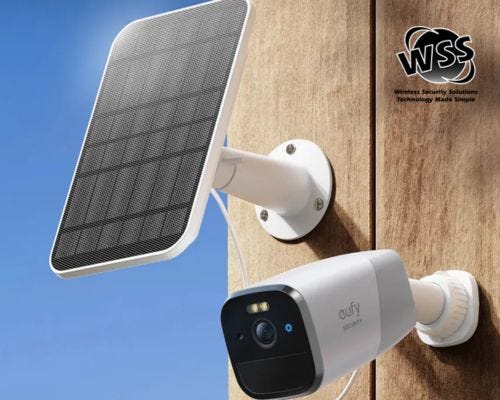
Understanding Modern Residential Security Systems
A residential security setup is designed to protect people, property, and personal belongings by identifying potential threats and responding to them quickly. Instead of relying on a single device, modern security systems use several interconnected tools that provide continuous monitoring.
Key Components of a Security System
Most home security systems include a combination of the following technologies:
CCTV cameras for indoor and outdoor monitoring
Motion detection sensors that trigger alerts
Smart doorbells with built-in cameras
Window and door sensors that detect unauthorised entry
Alarm systems that notify homeowners or monitoring services
When these devices are integrated into a unified system, they create a stronger level of protection for residential properties.
The Importance of Layered Security
One of the most effective ways to protect a property is through layered security. This strategy ensures that multiple devices and technologies work together to detect threats and respond quickly.
Deterrence
Visible security devices such as cameras or alarm systems can discourage unwanted activity. Properties that appear well monitored are often less likely to be targeted.
Detection
Sensors and surveillance cameras provide real-time monitoring. If unusual activity occurs, these systems can record footage and send alerts.
Response
Modern security systems allow homeowners to respond quickly through mobile notifications, remote monitoring, or alarm activation.
Layered protection ensures that even if one security measure fails, other devices remain active to maintain safety.
Smart Technology and Connected Monitoring
Smart home technology has significantly improved how security systems operate. Today, homeowners can monitor their property remotely using smartphones or other connected devices.
Remote Access and Control
Many systems allow users to:
View live camera footage from anywhere
Receive alerts when movement is detected
Activate or deactivate alarms remotely
Communicate through video doorbells
These capabilities make home monitoring far more convenient and accessible than traditional security methods.
Integration with Smart Homes
Security systems can also integrate with other smart home devices such as lighting, locks, and automation tools. This creates a connected environment where multiple technologies support safety and convenience.
Planning Security Around Property Layout
Every home has different architectural features, and these influence how security devices should be installed.
Entry Points
Doors, windows, and garages are the most common entry points for intrusions. Cameras and sensors are often placed in these areas to ensure constant monitoring.
Outdoor Areas
Gardens, driveways, and side passages can sometimes become blind spots if they are not properly monitored. Installing cameras in strategic positions can help improve visibility.
Lighting
Adequate lighting plays an important role in residential security. Well-lit outdoor areas make it easier for cameras to capture clear footage and discourage suspicious activity.
Careful planning ensures that security systems provide full coverage without leaving vulnerable areas unprotected.
Installation and System Integration
Installing security equipment requires careful positioning and technical setup. For best results, all devices should work together as part of a coordinated system.
During installation, professionals typically consider:
Camera viewing angles and coverage areas
Network connectivity and system compatibility
Storage solutions for recorded footage
Weather-resistant equipment for outdoor use
Homeowners may also explore available services related to system installation, monitoring, and maintenance to ensure the system continues to operate efficiently over time.
Learning from Related Security Resources
Home security technology continues to evolve, and learning from related topics can help homeowners make better decisions about their protection strategies.
For example, readers interested in wireless monitoring technology may find useful insights in a related industry article that explores modern surveillance systems and simplified installation approaches. Resources like this provide valuable information on how different technologies contribute to effective home security planning.
Maintaining a Reliable Security System
Installing security equipment is only the first step. Regular maintenance ensures that every component continues to function correctly.
Routine System Checks
Homeowners should periodically test sensors, alarms, and camera feeds to confirm that everything is working properly.
Software and Firmware Updates
Many modern devices rely on software updates to improve performance and maintain cybersecurity protections.
Equipment Upgrades
As technology evolves, upgrading older devices can improve monitoring quality and reliability.
Consistent maintenance helps ensure that residential security systems remain effective and dependable.
Conclusion
Protecting a home today involves more than traditional locks and alarms. By combining smart technology, strategic planning, and continuous monitoring, homeowners can create a comprehensive security system that improves safety and awareness.
Modern surveillance tools, sensors, and connected devices provide reliable protection while offering convenient remote monitoring capabilities. For more information about security technologies, installation guidance, and system options, visiting wirelesssecuritysolutions.co.uk can provide additional insights into creating a safer residential environment.