Home Security Camera Installation: A Thoughtful Approach to Safer Living

Home security has gradually shifted from reactive measures to proactive planning. Rather than waiting for issues to arise, homeowners are now focusing on prevention and visibility. One of the most effective ways to achieve this is through home security camera installation, which provides continuous monitoring and supports smarter decision-making.
Instead of viewing cameras as standalone devices, it is helpful to think of them as part of a broader system that enhances awareness and control. A well-planned installation can make a significant difference in how effectively a property is protected.
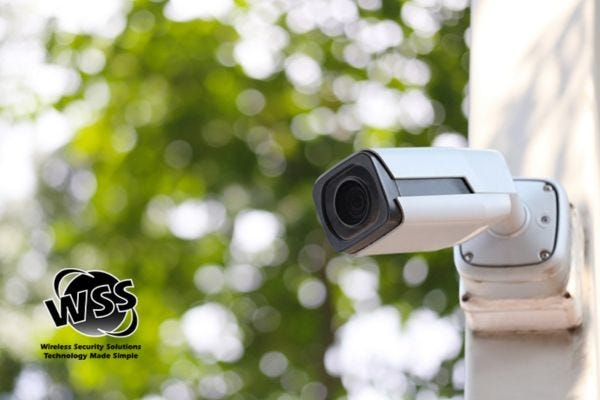
Understanding the Purpose of Security Camera Installation
The goal of home security camera installation is not simply to record footage but to create a reliable system that supports everyday living.
Improving Visibility
Cameras allow homeowners to monitor key areas in real time, helping them stay aware of activity around their property.
Supporting Preventive Measures
Visible surveillance can discourage unwanted behaviour, reducing the likelihood of incidents before they occur.
Providing Reliable Evidence
In the event of an issue, recorded footage can help clarify what happened and support further action if needed.
These benefits highlight why camera installation has become an essential part of modern home security.
Planning Your Camera Installation Strategy
Careful planning is essential for successful home security camera installation. Without it, even advanced equipment may fail to deliver the desired results.
Identifying Key Areas
Focus on locations where monitoring is most valuable, such as:
Main entrances and exits
Ground-floor windows
Driveways and outdoor spaces
Evaluating Property Layout
Understanding the layout helps determine how many cameras are needed and where they should be placed.
Considering Lighting Conditions
Cameras should be positioned to minimise glare and ensure clear footage during both day and night.
A thoughtful strategy ensures effective coverage and long-term performance.
Choosing the Right Type of Cameras
Selecting suitable equipment is a crucial part of home security camera installation.
Indoor and Outdoor Cameras
Outdoor cameras are designed to withstand weather conditions, while indoor cameras are more discreet and suited for monitoring internal spaces.
Wired and Wireless Options
Wired systems offer stable connections, while wireless systems provide flexibility and easier installation.
Fixed and Adjustable Cameras
Fixed cameras focus on specific areas, while adjustable models offer wider coverage through movement and zoom features.
Choosing the right combination ensures the system meets your specific needs.
Installation Best Practices
Proper setup is essential for maximising the effectiveness of home security camera installation.
Positioning Cameras Correctly
Cameras should be installed at a height that prevents tampering while maintaining a clear field of view.
Avoiding Blind Spots
Ensure that all critical areas are covered without leaving gaps in surveillance.
Securing Equipment
Cameras and cables should be installed securely to prevent damage or interference. Many providers also offer professional services that include careful installation and system configuration to ensure everything functions smoothly from the start.
Following best practices ensures that the system operates efficiently and reliably.
Integrating Cameras into a Wider Security System
A complete approach to home security camera installation often involves combining cameras with other security features.
Alarm Systems
Alarms provide immediate alerts, complementing the monitoring capabilities of cameras.
Smart Home Integration
Cameras can connect with smart devices, allowing for centralised control and monitoring.
Motion Sensors
Sensors can trigger cameras to record or send alerts when activity is detected.
Integration enhances the overall effectiveness of the security system.
Learning from Broader Home Security Approaches
Exploring different perspectives can improve your understanding of security planning. For instance, reviewing a helpful perspective on building safety around everyday routines can highlight how combining technology and thoughtful design creates a more balanced and effective solution.
These insights can guide homeowners in making better decisions when planning their own systems.
Maintenance and Ongoing Care
After completing home security camera installation, regular maintenance is necessary to ensure continued performance.
Routine Checks
Inspect cameras periodically to confirm they are functioning correctly and capturing clear footage.
Cleaning Lenses
Dust and debris can affect image quality, so keeping lenses clean is important.
Updating Software
Keeping systems updated ensures improved performance and protection against potential vulnerabilities.
Maintenance helps extend the lifespan and reliability of the system.
Balancing Security and Privacy
While cameras provide many benefits, it is important to use them responsibly.
Respecting Boundaries
Cameras should focus on your property and avoid unnecessary coverage of neighbouring areas.
Securing Data
Recorded footage should be stored securely to prevent unauthorised access.
Following Guidelines
Adhering to local regulations ensures that your system is used appropriately.
Balancing these considerations helps maintain trust while enhancing security.
Conclusion
A well-planned home security camera installation is a valuable step towards creating a safer and more secure home environment. By combining careful planning, the right equipment, and proper maintenance, homeowners can build systems that provide reliable monitoring and peace of mind.
With modern technology offering greater flexibility and control, security cameras have become an essential part of everyday living. For more information on installation options and expert guidance, visiting wirelesssecuritysolution.co.uk can help you explore practical ways to improve your home’s security.